Web & Content
Lessons from launching a website in a new market
By Alex Lawrence · 15 September 2026 · 6 min read
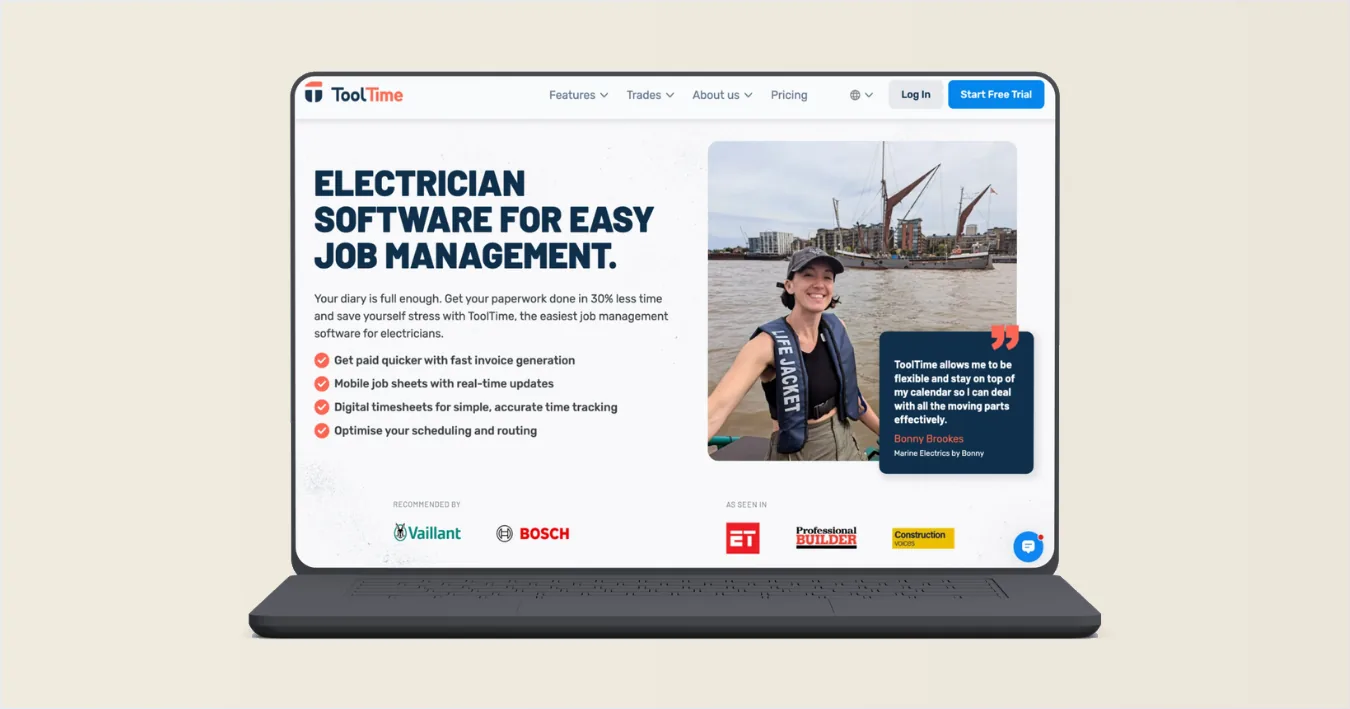
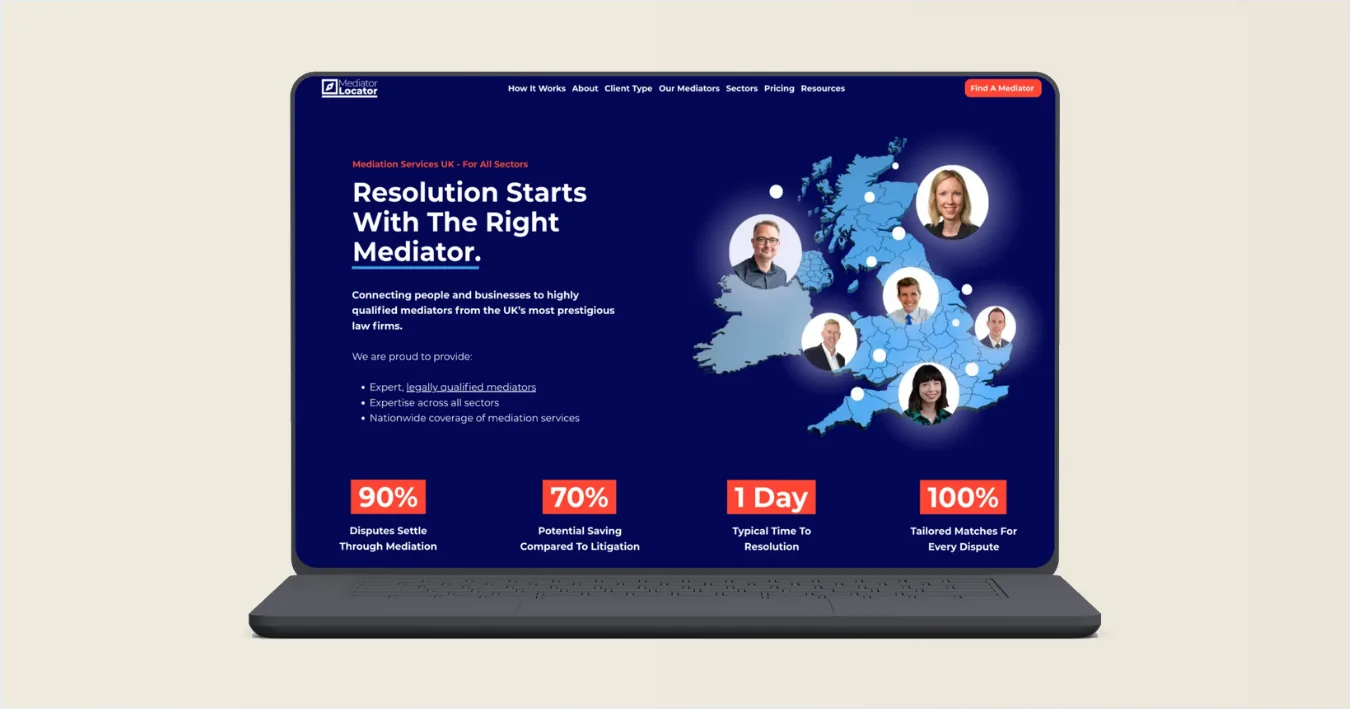
I have launched sites into new markets twice in ways that taught me a lot. One was a German software company coming into the UK. The other was a legal services business starting from nothing.
Different problems, same lessons.
Translation is not localisation
The UK launch could have been a copy and paste of the German site with the words swapped. It would have flopped. Tradespeople in the UK talk about jobs, quotes and invoicing differently, price differently, and trust differently.
What actually worked was rewriting the messaging around how UK customers described their own working day, then building the site around that.
The practical version
- Read UK reviews, forums and support tickets before writing a word
- Use local pricing conventions and local proof, not headquarters proof
- Rebuild the pages that carry the sales argument, and reuse the rest
Launch with fewer pages than you think
Both launches went live with a small set of pages that did a job, not a full site map. Everything else was added once we could see what people were looking for.
A live site you can learn from beats a perfect site three months late.
Build it so you can edit it yourself
Both were built so the team could publish new pages without a developer. That single decision is the difference between a site that grows and a site that quietly goes stale.
Launch is a campaign, not a date
A site going live does nothing on its own. Both launches had the same support around them:
- An email sequence to the existing list
- Social built from the same visual system as the site
- A handful of pages targeting the things people actually search for
- Something for sales to send
What I would tell you before you start
Decide who owns the site after launch, on day one. Most launches underperform because nobody was ever given the job of keeping it alive.
If you are planning a launch and the team is small, that is the conversation I would want to have first.